From Scattered Thoughts to Seamless Flow: How Note-Taking Apps Set My Mind Free
Ever caught yourself forgetting a brilliant idea during a busy morning? Or drowning in mental to-do lists while trying to focus? I used to juggle thoughts across sticky notes, voice memos, and my phone’s notepad—until I discovered how the right note-taking app could quietly transform chaos into clarity. It didn’t just organize my tasks; it gave me back mental space, time, and peace. This is the real magic of digital notes: not capturing data, but freeing your mind. What started as a simple search for better organization became a journey toward a calmer, more intentional way of living—one where my thoughts finally had a home.
The Hidden Cost of Mental Clutter
Let’s be honest—how many times have you walked into a room and forgotten why? Or repeated the same worry in your head because you’re afraid you’ll lose it if you stop thinking about it? I’ve been there, standing in the grocery store aisle, staring at the shelf, trying to remember if I needed almond milk or oat. The list was in my head, but somewhere between packing school lunches and answering work emails, it slipped away. And it wasn’t just the milk. It was the birthday card I meant to mail, the doctor’s appointment I almost missed, the recipe idea that vanished before I could write it down. These aren’t small things when they pile up. They become a constant hum in the background of your day, a low-grade stress that wears you down.
This is what I now call mental clutter—the invisible load we carry when our thoughts aren’t processed or stored. It’s not that we’re forgetful or disorganized by nature. It’s that we’re asking our brains to do something they weren’t designed for: act as storage units. Our minds are meant to think, create, feel—not to hold onto every detail. When we try to remember everything, we exhaust our mental energy. Decision fatigue sets in. We feel overwhelmed, even when nothing major is happening. I remember one evening, after a long day of shuttling kids and juggling deadlines, I sat down and burst into tears. Not because of one big thing, but because of a hundred tiny things I was still holding onto—unwritten, unprocessed, unresolved.
What changed for me was realizing the problem wasn’t my memory. It was my system. Or rather, the lack of one. I wasn’t failing because I wasn’t trying hard enough. I was failing because I was relying on a method that couldn’t keep up with the pace of my life. The emotional toll was real. I felt scattered, inefficient, and often guilty—like I should be able to handle it all. But the truth is, no one can. We all have limits. And the moment I accepted that, I became open to a better way: giving my thoughts a place to land outside my head.
Why Pen and Paper Aren’t Enough Anymore
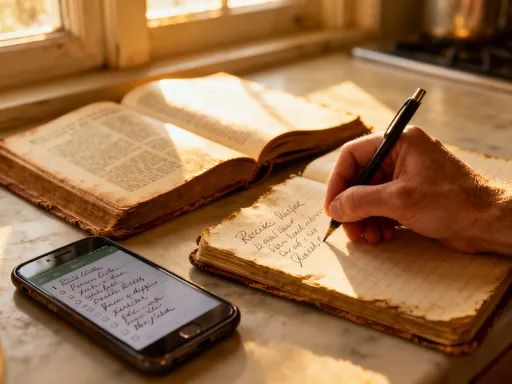
Now, before you think I’m about to dismiss pen and paper—let me say this: I love the feel of writing by hand. There’s something grounding about putting pen to paper, about the rhythm of handwriting a list or journaling before bed. But I’ve also learned that loving something doesn’t always mean it’s the most effective tool for every part of our lives. And when it comes to managing the complexity of modern life—juggling family schedules, work projects, personal goals, and spontaneous ideas—paper has real limitations.
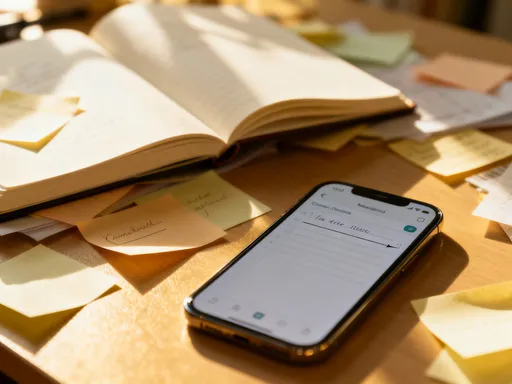
Think about it. How many times have you written something down in a notebook, only to lose track of it later? You remember the idea was somewhere in that blue notebook on your nightstand, but which page? And was it before or after the grocery list from last week? Searching through pages is time-consuming. And if you’re like me, you end up rewriting the same thing in multiple places just to make sure you don’t lose it. Then there’s the issue of access. I once planned a whole weekend getaway using sticky notes on the fridge—flight times, hotel details, packing lists. But when I got to the airport, I realized my phone had the confirmation, my bag had the printed tickets, and the sticky notes were still at home. The pieces were everywhere, and so was my focus.
The bigger problem isn’t losing paper—it’s the fragmentation. Ideas live in isolation. A grocery list doesn’t talk to your meal plan. A work idea scribbled on a napkin doesn’t connect to your project notes. And when things don’t connect, we miss opportunities. I had a moment like that last year. I jotted down a simple phrase during a school pickup: “DIY birthday decorations.” It was a great idea at the time, but it got buried under a pile of homework papers. Weeks later, I was stressed about my daughter’s party, buying overpriced decor, when I remembered that note. The idea was still good—but because it wasn’t where I needed it, it was useless.
Digital note-taking doesn’t replace the warmth of handwriting. But it adds something essential: fluidity. The ability to capture, search, connect, and access from anywhere. It’s not about abandoning the old ways. It’s about choosing the right tool for the job. And when your job is to hold a whole life together, sometimes the right tool isn’t paper—it’s pixels.
Choosing the Right App: It’s About Fit, Not Features
When I first looked into note-taking apps, I made a classic mistake: I focused on features. I read reviews that praised color-coding, cross-linking, and AI-powered search. I downloaded apps with endless menus and flashy interfaces. But within days, I stopped using them. Why? Because they felt like work. I’d open the app and think, “Now what? Where do I put this?” It wasn’t helping me think—it was making me think about the app.
That’s when a friend said something that stuck with me: “The best app is the one you actually use.” It sounds simple, but it was a revelation. I realized I didn’t need the most powerful app. I needed the one that felt natural, like an extension of my mind. So I started over. Instead of asking, “What can this app do?” I asked, “What do I need it to do?” For me, it was quick capture, easy search, and access across devices. I didn’t care about fancy templates or complex folders. I wanted to open the app and immediately start typing—or speaking, or snapping a photo—without thinking.
I also learned that syncing matters more than I thought. I used to lose ideas because I captured them on my phone but needed them on my laptop. Now, I make sure whatever I save on one device shows up instantly on the others. It’s a small thing, but it removes so much friction. Voice-to-text was another game-changer. I can dictate a grocery list while driving, or record a reminder while folding laundry. Tagging helped too—not as a rigid system, but as a gentle way to group things: #family, #work, #ideas, #me. Nothing complicated. Just enough to find what I need later.
My friend Lisa struggled with this for months. She tried three different apps, each one more complex than the last. “I felt like I was taking a tech class instead of managing my life,” she told me. Then she switched to a simpler one—no bells, no whistles. Just a clean space to write. And something shifted. She started using it every day. “It’s not perfect,” she said, “but it works for me.” That’s the point. Perfection isn’t the goal. Consistency is. If your app feels like a chore, you won’t use it. But if it feels like a quiet helper, always ready, it becomes part of your rhythm.
Capturing Ideas in Seconds, Not Minutes
Here’s a truth I’ve learned: ideas are fragile. They come in flashes—in the shower, during a walk, in the quiet moment before sleep. And if you don’t catch them fast, they’re gone. I used to lose so many good ones because I didn’t have a way to capture them quickly. I’d think, “I’ll remember this,” and by the time I got to a pen, the spark was gone.
Now, I keep my note-taking app within reach at all times. On my phone, on my laptop, even on my smartwatch. And I’ve set up shortcuts so I can open it with one tap or a simple voice command. This small change has made a huge difference. Last week, I was cooking dinner and had a sudden idea for a new family tradition—monthly theme nights. I didn’t stop cooking. I just said, “Hey, note: monthly theme nights—start with Italian.” The app recorded it instantly. Later, I expanded it into a full plan: decorations, recipes, even a playlist. That idea would have vanished if I’d had to stop, find paper, and write it down.
Photos are another powerful tool. I used to forget what was on the classroom whiteboard during parent-teacher night. Now, I take a quick picture and save it directly to my notes. No more second-guessing the field trip date or volunteer schedule. At work, I snap photos of meeting boards and tag them with the project name. It’s not about perfection—it’s about preservation. And voice notes? They’ve become my secret weapon. When I’m overwhelmed, I’ll just talk it out: “Here’s what’s on my mind: call the dentist, review the budget, plan next week’s meals.” Hearing my own voice slows me down. It’s like having a conversation with myself, and it helps me process what matters.
The key is reducing friction. The easier it is to save a thought, the more likely you are to do it. And the more you capture, the less you have to carry. That mental load? It starts to lighten. You stop fearing you’ll forget because you know you have a safe place for every idea, big or small.
Turning Fragments into Focus
Capturing ideas is only half the battle. The real magic happens when you turn those fragments into focus. I used to think organization meant rigid systems—color-coded folders, strict categories, daily planners filled with tiny handwriting. But life isn’t that neat. And neither are our thoughts. What works better, I’ve found, is a flexible flow—a way to group and review notes that matches how my brain actually works.
One practice that changed everything for me was the weekly review. Every Sunday morning, with my coffee in hand, I open my notes and scan the past week. I look for patterns: recurring tasks, half-formed ideas, reminders I haven’t acted on. I move things to action lists, delete what’s no longer relevant, and expand on ideas that spark joy. It takes less than 30 minutes, but it sets the tone for the week. Instead of starting Monday in reactive mode, I begin with clarity. I know what matters. I know what can wait.
I also group notes by context, not just topic. For example, I have a section for “errands,” but within that, I tag items by location: #grocery, #pharmacy, #school. When I’m out running errands, I pull up the list for that area and knock things off efficiently. At home, I keep a “dinner ideas” note where I collect recipes, cooking tips, and leftovers I need to use. It’s not a perfect system, but it works for me. The goal isn’t control—it’s coherence. I want to see the connections between my thoughts, not bury them in folders.
This gentle structuring has reduced my anxiety in ways I didn’t expect. I don’t feel like I’m forgetting things anymore. I don’t lie awake at night running through mental checklists. My notes hold the weight, so I don’t have to. And when I do need to focus, I can pull up a clean, organized view of what’s next. It’s not about doing more. It’s about thinking clearer and acting with intention.
How Notes Quiet the Mind and Fuel Creativity
There’s a quiet beauty in reviewing your notes. It’s not just about tasks and to-dos. It’s about presence. I’ve started treating my note-taking app as a space for reflection, not just recording. Some of my most peaceful moments happen when I sit with a cup of tea and scroll through my journal entries—little observations, things I’m grateful for, ideas I want to explore. It’s not performance. It’s pause.
This practice has become a form of self-care. When I write down my worries, they lose their power. When I capture a dream or a hope, it feels more real. I once jotted down a simple line: “I want to learn watercolor.” I didn’t act on it for months. But because it was there, in my notes, it stayed alive. Eventually, I bought a small set of paints and tried it. It wasn’t perfect, but it brought me joy. That note did more than remind me—it invited me to grow.
Brainstorming has also become easier. Instead of staring at a blank page, I let my notes be the starting point. I’ll pull up all the fragments related to a project and see how they connect. Sometimes, two unrelated ideas spark something entirely new. I call it “idea gardening”—planting thoughts, watering them with attention, and seeing what grows. It’s not forced creativity. It’s allowed creativity.
And in those moments, I realize how much mental space I’ve gained. My mind isn’t cluttered with reminders and worries. It’s free to wander, to wonder, to create. The app isn’t just a tool. It’s a partner in my inner life. It holds the noise so I can hear the signal.
Building a Lighter, Smarter Daily Rhythm
The most surprising thing about using a note-taking app isn’t the productivity boost. It’s the peace. My days feel lighter. Mornings are smoother because I know what’s on the agenda. Evenings are calmer because I’ve offloaded the mental load. I’m not perfect—I still forget things sometimes—but I don’t panic. I know where to look. The app has become a silent partner in my daily rhythm, always there, never demanding.
It’s also changed how I see myself. I used to think being busy meant being important. Now, I see that real strength is in clarity. It’s not about doing more. It’s about thinking clearly, acting with purpose, and protecting your energy. The app helps me do that. It’s not flashy. It doesn’t announce its presence. But it’s there, quietly supporting me through the chaos of life.
If you’re feeling overwhelmed, I want to invite you to try something small. Don’t start with a full system. Don’t spend hours setting up folders. Just open your note app—any app—and write one thing down. One idea. One worry. One hope. Save it. Come back to it later. See how it feels to let go, even for a moment. Because freedom doesn’t come from remembering everything. It comes from knowing you don’t have to. Your mind was meant to fly, not to carry the weight of the world. And sometimes, the simplest tool can set it free.