What If Your Grocery List Could Remember Grandma’s Recipes for You?
Imagine standing in the supermarket, staring at a blank app, forgetting half the ingredients for your daughter’s favorite soup—the one your mother used to make. You’re not alone. Every week, precious family flavors get lost not because we don’t care, but because memory fades and lists disappear. What if technology could quietly preserve those moments, turning cluttered kitchens and forgotten flavors into a shared story? What if the tools we already use every day—our phones, our speakers, our shopping lists—could help us hold on to the tastes that mean the most?
The Missing Ingredient: Why We Lose Family Recipes (Even When We Try to Keep Them)
Let’s be honest—how many of us have stood in the kitchen, trying to recreate a dish we grew up with, only to realize we never wrote it down? Maybe you remember the smell of cinnamon and cloves rising from the pot on winter Sundays, or the way your grandmother always stirred the stew just a little longer than the recipe said. But when you try to make it yourself, something’s missing. It’s not just the ingredients—it’s the rhythm, the timing, the little tricks passed down through touch and taste, not text.
Family recipes are more than instructions. They’re emotional heirlooms. Yet, they’re fragile. A handwritten card gets tossed during a move. A parent forgets to mention they always doubled the garlic. A cousin remembers the pie crust was flaky because of cold butter, but no one wrote that down. These details vanish not with drama, but with silence. And when they’re gone, we don’t just lose a recipe—we lose a connection.
I remember calling my aunt after my mom passed, asking how she made that tomato sauce with the bay leaf and just a pinch of sugar. She paused and said, 'I don’t know. I just do it like she did.' That moment hit me: we’re all carrying fragments of a larger story, but we’re not stitching them together. The truth is, we don’t need to forget. We just need better ways to remember.
From Fridge Notes to Smart Kitchens: How Technology Steps In Without Taking Over
Now, think about your phone. It knows your favorite music, your commute, even the weather where you’re going on vacation. But does it know how your family makes meatloaf? What if it could? The good news is—this isn’t science fiction. It’s already happening, quietly, in homes just like yours.
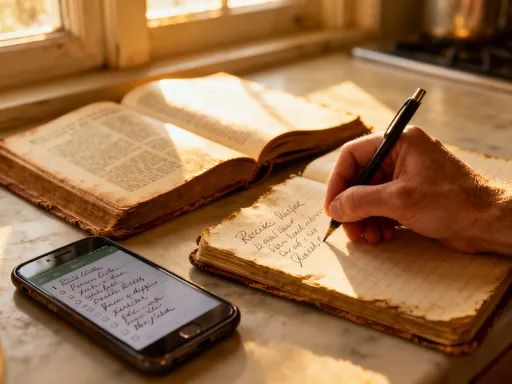
Today’s technology isn’t about replacing the heart of cooking. It’s about protecting it. Imagine speaking into your kitchen speaker while you cook: 'Hey, save this—Mom’s apple pie, with the crumb topping and extra nutmeg.' Later, that voice note lives in an app, tagged with the date, the occasion, even the laughter in the background. Or picture snapping a photo of your grandmother’s stained recipe card. An app reads the handwriting, converts it to text, and stores it with a label: 'Aunt Linda’s Christmas Cookies—soft, not crisp.'
Smart devices don’t have to be flashy. A tablet on your kitchen counter can hold your digital recipe box. A smart fridge might suggest, 'You haven’t made the chicken soup in three months—want to add ingredients to your list?' This isn’t about automation taking over. It’s about support. It’s tech as a quiet helper, not a boss. It doesn’t tell you how to cook. It just helps you remember how your family does.
The goal isn’t perfection. It’s presence. It’s making sure that when your daughter asks, 'Why does this taste different?' you can pull up a video of your mother saying, 'Always taste it before you serve—seasoning changes with the tomatoes.' That’s not just data. That’s love, preserved.
Building the Habit: Small Steps to Digitize Family Flavors
I know what you’re thinking: 'This sounds nice, but I’m not tech-savvy. Where do I even start?' Here’s the secret—start small. You don’t need to digitize your entire recipe box in one weekend. You don’t even need a fancy app. Just pick one recipe. The one your kids beg for. The one that reminds you of home.
Maybe it’s your dad’s pancake batter—thin, golden, always flipped at just the right moment. Next time you make it, grab your phone. Record a short video of yourself cooking. Say, 'This is how Dad taught me—mix the dry first, then add buttermilk slowly.' Save it in a folder labeled 'Family Recipes.' That’s it. One memory, captured.
Or take a photo of that old index card with your aunt’s spaghetti sauce. Upload it to a free app like Google Keep or Notes. Add a tag: 'Sunday Sauce—freeze leftovers.' You can even type out the steps later, at your pace. The key is linking the act to something you already do. Cook on Sundays? Spend five minutes after dinner saving one recipe. Bake with your kids? Let them help take the photo or name the file. Make it part of the ritual, not an extra chore.
Another trick: use voice. While you’re stirring the pot, say out loud, 'Add more oregano if it’s store-bought tomatoes—they lack flavor.' Then save that thought in a voice memo. Later, you’ll hear your own voice, full of kitchen energy, and it’ll bring the moment back. These small actions build a habit. And over time, you’re not just collecting recipes—you’re building a living archive of your family’s food story.
The Smart Shopping Shift: When Your Cart Knows What Your Family Loves
Now, let’s talk about grocery shopping—the part of cooking most of us dread. How many times have you gotten home, unpacked the bags, and realized you forgot the onions? Or bought three bunches of cilantro you’ll only use two leaves of? What if your shopping list could do more than remind you of ingredients? What if it could understand your family’s eating rhythm?
Here’s how it works. When you save a recipe digitally, many apps can automatically generate a shopping list. But the smart ones go further. They learn. If you make your son’s favorite beef stew every other week, the app might prompt: 'Add stew ingredients to your list?' before your usual shopping day. If you’re cooking for two instead of six, it adjusts the quantities. If butternut squash is in season and cheaper, it suggests swapping it into your usual soup recipe.
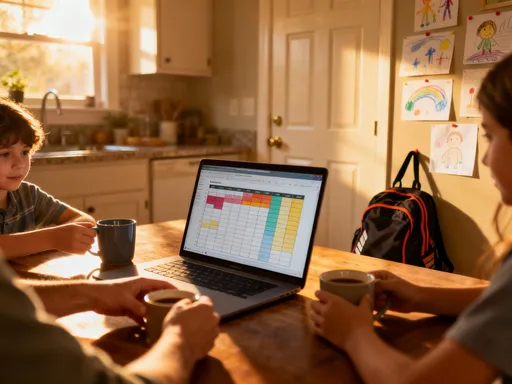
And here’s a game-changer: these lists sync to your phone, your partner’s phone, even your tablet on the fridge. No more calling each other from the store: 'Did we need celery?' Everyone sees the same list. Kids can check things off as they go. You can add items on the fly—'Oh, we’re out of olive oil'—and it updates for everyone.
But the real win? Less waste. When you buy only what you need for planned meals, you throw away less. One mom I spoke with said she cut her food waste by nearly 30% just by linking recipes to her shopping list. Plus, her kids started recognizing ingredients because they’d seen them in the app: 'Mom, this is the squash we used in Grandma’s soup!' That’s not just efficiency—that’s connection. The grocery store becomes part of the story, not just a chore.
Connecting Generations: Cooking Together, Even When Miles Apart
One of the most beautiful things about food is how it brings people together. But what if your parents live across the country? What if your kids are grown and busy? Technology can’t replace sitting at the table together—but it can help you cook together, even when you’re apart.
Imagine this: your mother records a voice note while making her famous rice pudding. She says, 'I always stir it slow, and I know it’s ready when the spoon leaves a trail.' She shares it in a family recipe app. Later, you play it while you cook. You hear her voice, her rhythm, her care. It’s not the same as being there—but it’s close.
Or picture your teenager adding their twist to your holiday casserole—maybe they swap in sweet potatoes for regular ones. They upload their version with a note: 'Tried this with vegan cheese—still delicious!' Your sister comments: 'I’m stealing this for Thanksgiving!' These small interactions build a shared kitchen, a digital table where everyone has a seat.
One grandmother told me she started a 'Recipe of the Month' with her grandchildren. She picks a dish, records herself making it, and sends the video. The kids try it, send photos, and chat about how it turned out. 'It’s like we’re cooking together,' she said. 'Even when I can’t be there, I’m still teaching them.' That’s the magic. It’s not about fancy tech. It’s about presence. It’s about saying, 'I’m here. This matters. You matter.'
And when your child asks, 'How did Grandma make this?' you won’t have to guess. You can play the video, show the note, hear the voice. The story stays alive.
Overcoming the Hurdles: Tech That Feels Human, Not Cold
I get it. Some of you are thinking, 'This sounds nice, but I don’t want my kitchen to feel like a lab. What if it’s too complicated? What if it loses the soul of cooking?' These are real concerns. And they’re valid.
First, privacy. You don’t want your family’s recipes floating around online. The good news? Many apps let you keep everything private. You can store recipes in a family-only space, with no sharing beyond your circle. Some even work offline—no internet needed. Your data stays yours.
Second, simplicity. You don’t need to be a tech expert. Look for apps with clean designs—big buttons, clear labels, easy upload options. Many let you start with photos or voice, not typing. If you can take a picture or record a memo, you can do this. And if you get stuck, most have help centers or tutorials made for everyday users, not engineers.
Third, the fear of losing the heart of it all. Let’s be clear: no app will taste your soup for you. No device will know when to add a little more love. But they can help you remember the details that make it yours—the pinch of salt, the extra stir, the way your mother always hummed while she baked.
Think of tech as a bridge, not a wall. It doesn’t replace the hand that stirs the pot. It just helps the next hand learn how. It’s like writing a letter to your future self: 'When you make this, remember—use the good olive oil. And taste as you go.'
The Bigger Picture: More Than Meals—Preserving Who We Are
At the end of the day, this isn’t really about apps or lists or smart fridges. It’s about memory. It’s about identity. It’s about the quiet moments that define us—Sunday dinners, holiday feasts, the smell of bread baking on a rainy afternoon.
Food is one of the most powerful ways we pass down who we are. A recipe isn’t just flour and sugar and time. It’s a story. It’s your grandmother’s hands shaping dough. It’s your father’s joke about 'secret ingredients.' It’s the way your sister always burns the edges but insists it’s 'extra crispy.'
When we save these recipes—not perfectly, not officially, but honestly—we’re not just preserving meals. We’re preserving belonging. We’re saying to the next generation: 'This is where you come from. This is what we shared. This is love, made visible.'
And when your grandchild, years from now, tastes that soup and says, 'This is how Grandma made it,' they won’t just be eating. They’ll be remembering. They’ll be connected. They’ll know they’re part of something bigger.
So, what if your grocery list could remember Grandma’s recipes for you? It can. And in doing so, it doesn’t just make shopping easier. It makes memory possible. It turns everyday tools into keepers of legacy. It lets love live on—one meal, one memory, one saved recipe at a time.