Tracked 3,000 Family Photos Over 2 Years: How App Security Kept Our Memories Safe
From birthday videos to first steps, our phones hold precious moments we can’t afford to lose. I once almost lost everything in a device crash—until I discovered how the right photo app doesn’t just organize memories, but truly protects them. This is more than tech; it’s peace of mind for your family’s story. That near-loss changed how I see digital photos. They’re not just files—they’re voices, laughter, tiny milestones we’ll never get back. What I learned since then isn’t about storage space or fancy filters. It’s about something deeper: safety, simplicity, and the quiet confidence that comes from knowing your family’s history is protected, no matter what happens to your phone.
The Moment Everything Almost Vanished
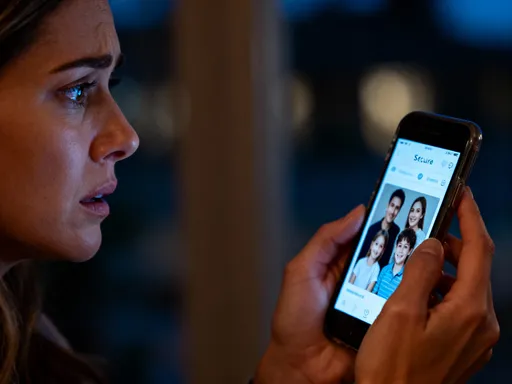
It started with a flickering screen. One minute, I was showing my sister a video of my daughter’s first words—her little face lighting up as she said ‘Mama’ for the first time. The next, my phone froze, then went black. No warning. No error message. Just silence. I tried restarting it. Nothing. Panic set in fast. This wasn’t just a device—it was two years of my child’s life. Hundreds of photos, videos of her first steps, her first Halloween costume, her giggles during bath time. All of it, trapped inside a dead phone.
I rushed to the repair shop, hoping for a miracle. The technician was kind but honest: the motherboard had failed, and data recovery would be expensive—and not guaranteed. I sat in the waiting room, heart pounding, thinking about how I’d never hear that first ‘Mama’ again if it was gone. I hadn’t backed up in weeks. I assumed my photos were safe because they were on my phone and maybe synced somewhere in the cloud—I just didn’t know where or how. That assumption nearly cost me everything.
When I finally got the phone back—with only a fraction of the data restored—I made a promise to myself: never again. I didn’t just need more storage. I needed real protection. I started researching how families could truly keep their digital memories safe, not just stored. What I found wasn’t about buying a bigger phone or paying for more cloud space. It was about security—real, thoughtful, everyday security that works quietly in the background, like a good nightlight in a child’s room. And once I made that shift, everything changed.
From Chaos to Clarity: How We Began Organizing Family Memories
Before the crash, our photos were everywhere. My husband had some on his phone. I had others. We’d both taken pictures at the same events—birthday parties, holidays, school performances—but never bothered to merge them. Over time, our digital album became a mess: duplicates, blurry shots, random screenshots mixed in, and folders named things like ‘DCIM’ or ‘Photo_20230615.’ Finding a specific moment felt like digging through a closet full of old clothes with no labels.
After the scare, I decided to try a family photo app I’d heard about—one that promised not just storage but smart organization. At first, I was skeptical. I’d tried apps before. Most just dumped everything into one endless scroll. But this one was different. As soon as I uploaded my photos, it started sorting them—by date, by face, by event. I watched in amazement as it grouped all the pictures from my daughter’s third birthday into one album, even pulling in a few my husband had taken that I didn’t know existed.
But the real magic happened when I tagged family members. I labeled my daughter, my husband, my parents, and even the dog. Suddenly, my mom could open the app and tap on her granddaughter’s name to see every photo of her—no scrolling, no guessing. She found the video of the school play in seconds. ‘This is like magic,’ she told me, her voice warm with emotion. ‘I feel like I’m right there with her.’
What started as a tool for recovery became a way to connect. We began sharing access with trusted family members, setting permissions so everyone could view but only we could delete. No more frantic texting to ask, ‘Did you get a photo of her opening presents?’ It was all there, organized, safe, and easy to find. The chaos faded, replaced by calm. And that calm wasn’t just about order—it was about trust. Trust that the moments that mattered most weren’t lost in a digital junk drawer.
Beyond Backup: What True Protection Really Means
Here’s something I didn’t understand before: backup isn’t the same as protection. Most of us think, ‘Oh, my photos are in the cloud,’ and assume they’re safe. But that’s not always true. Some apps sync your photos but store them in ways that could be accessed by hackers, employees, or even advertisers. Real protection means more than just copying files somewhere else. It means making sure only the people you choose can ever see them—no matter what.
That’s where encryption comes in. Think of it like this: if your photos are letters, regular cloud storage is like putting them in a mailbox with no lock. Anyone who gets the key—or finds a way in—can read them. Encryption, on the other hand, is like sealing each letter in a vault with a code only you and your family know. Even if someone steals the vault, they can’t open it without the code. The app I use does this automatically—every photo is encrypted before it leaves my phone.
I learned how important this was when I got an alert one night: someone had tried to log into my account from a different country. My heart jumped. But because I had two-factor authentication turned on, the login failed. I had to approve it from my trusted device. That extra step—just a quick tap on my tablet—blocked the attempt completely. Without it, who knows what could have happened?
True protection isn’t just about storing data. It’s about active defense. It’s about knowing your app isn’t just saving your photos but guarding them. That means end-to-end encryption, secure login options, and regular updates that patch any weak spots. It means designing the app so that even the company itself can’t see your photos. That level of care doesn’t happen by accident. It’s built into the foundation. And once you’ve had that peace of mind, you won’t settle for anything less.
Real-Life Test: When My Phone Was Lost in a Taxi
Fast forward a year. I was in a rush after dropping my daughter at preschool, juggling coffee, a diaper bag, and my phone. I got into a taxi, chatted with the driver, paid, and walked into a meeting. Halfway through, I reached for my phone—gone. My stomach dropped. I’d left it in the cab.
I called the taxi company, but the driver hadn’t found it. My first thought wasn’t about the cost of the phone. It was about the photos. The recent ones—her first day of swimming lessons, our weekend trip to the lake, a video of her singing ‘Twinkle Twinkle’ in the car. Were they gone? I opened my laptop, logged into the photo app from another device, and breathed a sigh of relief. Everything was there. Safe. Accessible.
Because the app syncs securely in the background, my photos weren’t trapped on the lost phone. And because of the security settings, I could remotely log out of the missing device, making sure no one could access my account even if they turned it on. I didn’t have to worry about strangers seeing family moments or private messages. I even shared a temporary link with the taxi company so they could contact me if the phone was found—without giving them access to anything else.
A friend of mine wasn’t so lucky. She lost her phone last year and hadn’t set up secure backups. She lost everything—photos, contacts, years of memories. ‘I didn’t think it would happen to me,’ she told me, her voice quiet. ‘I just assumed it was all safe somewhere.’ Her story stayed with me. It’s easy to feel invincible until you’re not. But with the right tools, you don’t have to live in fear. You can move through life knowing your memories are protected, even when your phone isn’t.
Teaching Parents and Kids to Protect Their Digital Legacy
One of the most meaningful parts of this journey has been helping my parents feel more confident with technology. At first, they were nervous about using any app that required passwords or settings. ‘We don’t want to mess anything up,’ my dad said. But I showed them how simple it could be. We set up the photo app together, using face unlock so they wouldn’t have to remember complex passwords. I walked them through enabling trusted device settings, so they’d get alerts if someone tried to log in from a new phone.
Now, my mom checks in every few days, adding new photos of her garden or the grandkids when they visit. She even started a private album just for family—no public sharing, no strangers. ‘I like knowing it’s just for us,’ she said. ‘It feels safe.’ That word—safe—meant more than any feature ever could.
I’ve also started talking to my daughter about privacy, in age-appropriate ways. We play a little game: ‘Should this photo go in the family album or stay just for us?’ If it’s something personal—like her in pajamas or having a tough day—we keep it private. It’s not about shame. It’s about respect. I want her to grow up understanding that some moments are for sharing, and some are for holding close.
These conversations have helped build a family culture around digital care. We don’t just take photos—we protect them. We talk about why we choose certain apps, why we don’t share everything online, and why security settings matter. It’s not fear-based. It’s love-based. We’re protecting what we cherish. And that’s a lesson worth passing down.
Features That Made the Difference—Without the Confusion
I’ll be honest: I didn’t want to become a tech expert. I just wanted my photos safe. So what I appreciated most about the app I chose was how it made powerful security feel simple. No jargon. No confusing menus. Just clear, thoughtful features that worked quietly in the background.
End-to-end encryption was a big one. I didn’t have to turn it on—it was automatic. That meant every photo was protected from the moment it was taken. Local storage options were another win. I could choose to keep copies on my own devices, not just in the cloud. That gave me extra control, especially when traveling or in areas with spotty internet.
Automatic secure backups ran every night when my phone charged. No reminders, no manual uploads. It just happened. And if I ever lost connection, I could still view my photos offline—no stress during flights or road trips. I also appreciated how the app pushed automatic updates. At first, I used to ignore them. But I learned that updates often include security patches—tiny fixes that close doors hackers might try to open. Now, I let them install without a second thought.
What I love most is that none of this feels complicated. I don’t have to be a tech whiz. I don’t have to memorize passwords or run diagnostics. The app works like a good helper—there when I need it, invisible when I don’t. And that’s the kind of technology that fits into real life. Not the other way around.
More Than Photos: Building a Secure Family Story for Generations
As I look back at the albums now, I see more than pictures. I see a story. A living, breathing record of who we are and where we’ve been. I think about my daughter, years from now, sitting with her own children, watching videos of her as a toddler. I hope she feels loved. I hope she sees the joy, the mess, the ordinary magic of our days.
But I also hope she knows we cared enough to protect it. That we didn’t just capture moments—we safeguarded them. Because digital memories aren’t just for us. They’re for the people who come after us. They’re heirlooms in a new form—ones that can be lost in an instant if we’re not careful.
That’s why I share this story. Not to scare you, but to empower you. You don’t need to be perfect. You don’t need to do everything at once. Just pick one thing—turn on two-factor authentication, enable automatic backups, teach your parents how to use face unlock. Small steps build real protection.
When I think about the future, I don’t worry about losing our photos anymore. I think about all the moments still to come—the first day of kindergarten, family vacations, quiet nights at home. I know they’ll be safe. And that quiet confidence? That’s the real gift technology can give us. Not flashier screens or faster downloads—but peace of mind. The kind that lets you focus on what really matters: being present, loving deeply, and knowing your family’s story will live on, just as it should.