I didn’t realize she’d been missing half our conversations: How a simple hearing check brought our family closer
Have you ever spoken to someone, only to realize they didn’t hear a word you said? It happened to me—repeatedly—with my mom. What I thought was distraction or disinterest was actually something deeper. A quiet, invisible gap had grown between us. Then, a simple hearing test changed everything. Not just her hearing, but the way we connect. This isn’t about high-tech fixes or medical drama. It’s about how one small, smart tool helped us rediscover real conversation, ease frustration, and feel closer again. I wish I’d known sooner that what felt like emotional distance was really just a fading sound level—one we could actually turn back up.
The Moment Everything Clicked
It started with little things. My mom would laugh at the wrong moment during dinner, or answer a question I hadn’t even asked. At first, we brushed it off. “Oh, Mom’s just tired,” we’d say. Or, “She’s in her own world today.” But then, the moments began to pile up. I told a story about my daughter’s school play, describing how she forgot her lines but danced her heart out anyway. My mom smiled and said, “That’s nice, sweetie,” but her eyes stayed distant. Later, I overheard her asking my sister, “What was she talking about? Was it a recital?” That’s when it hit me: she hadn’t heard me at all. I wasn’t just sharing a moment—I was speaking into silence.
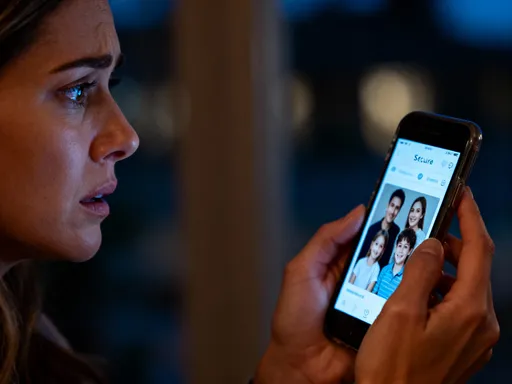
I felt a mix of sadness and guilt. Sadness because I realized how many conversations we’d lost. Guilt because I’d assumed she didn’t care. But what if it wasn’t about caring? What if it was about hearing? That night, I remembered an app I’d downloaded months ago—something about a hearing check you could do right on your phone. I’d forgotten about it, but now it felt urgent. I called my mom the next morning and said, “Hey, I found this little thing—want to try it together? Just for fun.” I didn’t say it was a test. I didn’t call it a “screening” or make it feel medical. I made it sound like a game.
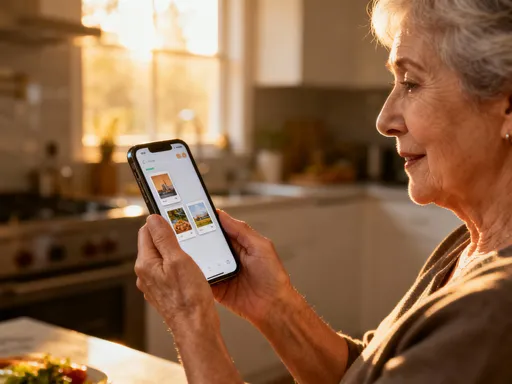
She agreed. We sat in her kitchen, sunlight streaming through the window, and I helped her plug in her headphones. The app guided her through a series of soft beeps at different pitches. She tapped the screen each time she heard a sound. It took less than five minutes. When it was over, the app showed a gentle graph of her hearing range. There it was: a dip in the higher frequencies—the exact range where women’s voices usually sit. Mild hearing loss, early stage. Not severe. Not irreversible. Just… missed. And suddenly, so much made sense. The missed jokes. The repeated questions. The way she’d turn up the TV until the rest of us winced. It wasn’t rudeness. It wasn’t disinterest. It was simply that the world was getting quieter for her, and no one had noticed—least of all her.
Why Hearing Slips Under the Radar
Hearing loss doesn’t come with a warning siren. It doesn’t announce itself like a fever or a sprained ankle. It creeps in quietly, disguised as forgetfulness, distraction, or even moodiness. One day, your mother starts sitting closer to the TV. The next, she asks you to repeat yourself three times during a simple conversation. You raise your voice. She nods. But later, she repeats the same question. You start to feel frustrated. Maybe even a little hurt. “Why won’t she just pay attention?” you wonder. But the truth is, she’s trying. She just can’t hear you the way she used to.
And here’s the thing: she might not even realize it herself. Hearing loss often happens so gradually that the brain adapts, filling in gaps with guesses. She hears *something*—just not all of it. So she nods along, smiles, and hopes she’s responding correctly. But inside, she’s working overtime to piece together what’s being said. Over time, this mental effort becomes exhausting. That’s why so many people with hearing loss start avoiding conversations, especially in noisy places like restaurants or family gatherings. They don’t want to feel left out—but it’s easier to stay quiet than to keep saying, “What?”
And then there’s the stigma. Let’s be honest—many people still associate hearing aids with old age, with decline. No one wants to feel “old.” So they wait. And wait. Studies show that the average person waits seven years from the time they notice hearing issues to the time they seek help. Seven years of missed jokes, quieted connections, and growing isolation. But what if it didn’t have to be that way? What if we could catch it early, quietly, without shame? That’s where technology comes in—not as a cold, clinical tool, but as a gentle nudge, a way to say, “Hey, let’s check in. Just to be sure.”
How These Tools Work—Without the Confusing Tech Talk
You don’t need a soundproof booth or a doctor’s appointment to check your hearing anymore. Today, there are smartphone apps designed to give you a reliable, at-home hearing assessment. And no, they’re not gimmicks. These tools use scientifically calibrated audio tests—similar to what you’d get in a clinic—delivered through your headphones. The app plays a series of tones at different volumes and pitches, and you tap the screen each time you hear a sound. It’s that simple.
Think of it like a little music test for your ears. The app tracks which tones you miss and builds a basic hearing profile. It won’t diagnose a medical condition—that’s what an audiologist is for—but it can flag early signs of hearing loss. It’s like a check-engine light for your ears. You wouldn’t ignore a warning light on your dashboard, would you? So why ignore the signs your body is giving you?
What I love about these tools is how user-friendly they are. My mom, who still calls the internet “the email machine,” had no trouble using the app. The instructions are clear. The test is short. And because it’s on a device she already uses every day, it doesn’t feel scary or foreign. No white coats. No waiting rooms. No judgment. Just a few minutes of her time and a clearer understanding of what she’s actually hearing. And for families, that clarity is priceless. It shifts the conversation from “Why aren’t you listening?” to “Let’s figure this out together.”
Making It a Family Ritual, Not a Medical Chore
After my mom’s test, I realized something: hearing checks shouldn’t be something we do only when we’re worried. They should be part of our regular health routine—like checking our blood pressure or getting a dental cleaning. So we made it a habit. Every three months, we do a “sound check” as a family. We call it that—sound check—because it sounds light, even fun. “Time for your sound check!” I’ll text my dad. “Let’s see who hears the highest beep!” my nephew jokes.
Everyone over 50 in our family now does the test, even if they feel fine. Because here’s the truth: you can have mild hearing loss and not even know it. Your brain is too good at filling in the blanks. But the test doesn’t guess. It measures. And sometimes, it reveals what we’ve been missing. When my uncle took the test, his results showed a slight decline in his left ear. He hadn’t noticed it, but his wife had. She said he’d been turning his head during conversations, trying to catch the sound. We didn’t panic. We didn’t rush to buy expensive devices. Instead, we made small, practical changes. We turned on subtitles on his TV. We got him a pair of wireless earbuds that amplify speech. We asked him where he likes to sit at the dinner table—so we could make sure he’s facing the speaker.
These aren’t dramatic fixes. They’re small acts of care. But they add up. And the best part? The test became a conversation starter. It gave us permission to talk about hearing without shame. It helped us see that this isn’t a personal failing—it’s a common, treatable thing. And when we treat it together, it brings us closer, not further apart.
From Detection to Daily Connection
After my mom’s test, we didn’t rush to the audiologist right away. Instead, we explored some affordable, easy-to-use hearing amplifiers that sync with her phone. They’re not full hearing aids, but they help—especially on calls. Now, when I call her, she hears my voice clearly. No more “Can you repeat that?” No more frustration. And at family dinners, we’ve all made little changes. We sit closer to her. We face her when we speak. We slow down just a bit. We don’t shout—we just speak clearly.
And you know what’s changed most? Her laughter. She jumps into conversations now. She tells stories. She remembers details. The silence between us—the one I didn’t even realize was there—has started to fade. It’s not perfect. Some days, she still misses a word. But now, instead of pretending, she says, “Can you say that again?” And instead of feeling annoyed, I feel grateful. Because she’s trying. And so am I.
Technology didn’t fix everything overnight. But it gave us something more important: awareness. It helped us see what we couldn’t hear. And once we saw it, we could do something about it. We didn’t need a miracle. We just needed to listen—really listen—to each other.
Beyond Hearing: A New Way to Care
This experience changed how I think about caring for the people I love. It’s not just about asking, “How are you?” anymore. It’s about asking, “Have you done your sound check?” It’s about noticing the small things—the way someone leans in, the way they ask for repeats, the way they turn up the volume. It’s about being proactive, not waiting for a problem to grow before we act.
For my mom, it’s been about dignity. She didn’t want to feel like a burden. But when we framed the test as something we all do—not just her—it took the pressure off. It wasn’t “Mom has a problem.” It was “We’re all taking care of our hearing.” And that made all the difference.
For my kids, it’s been about understanding. My daughter used to get frustrated when Grandma didn’t answer her. Now, she knows why. She even helps Grandma with the app sometimes. “Grandma, it’s time for your beep test!” she’ll say, giggling. And in that moment, she’s not just learning about hearing—she’s learning about empathy. She’s learning that love means adapting, adjusting, and meeting people where they are.
These little tech tools don’t just measure hearing. They measure care. They remind us that love isn’t just about big gestures. It’s about the small, quiet things we do to make sure the people we love feel seen, heard, and valued. In a world full of flashy gadgets that promise to change our lives, this one stands out—not because it’s loud, but because it’s gentle. Not because it does something extraordinary, but because it restores something ordinary: the sound of a loved one’s voice, clear and whole.
Bringing It All Home
Hearing is more than a sense. It’s a bridge. Every word we hear connects us—to stories, to jokes, to love. When that bridge starts to weaken, the distance grows. We misunderstand. We withdraw. We assume the worst. But what if we could rebuild it? Not with grand efforts, but with small, smart steps? A five-minute test. A quiet conversation. A little patience.
In our family, that test didn’t just reveal hearing loss. It revealed how much we’d been missing—not just in sound, but in connection. It reminded us that technology, at its best, doesn’t replace human touch. It enhances it. It helps us show up more fully. It gives us the tools to say, “I see you. I hear you. You matter.”
We don’t need to wait for a crisis to care. We can start today. With a simple check. With a little curiosity. With love. Because the truth is, the people we love don’t need perfect hearing. They need to feel heard. And sometimes, the smallest tech can help us give them exactly that.