More than sensors: Water leak detectors that gave me peace of mind during busy workdays
You know that nagging worry—did I turn off the washing machine before rushing to work? Or what if a pipe bursts while I’m in back-to-back meetings? I used to carry that anxiety every day. Then I installed smart water leak detectors at home. Now, a simple alert on my phone tells me everything’s okay—or warns me in time to prevent disaster. It’s not just about technology; it’s about reclaiming mental space and protecting what matters most: my home and family. That little beep on my phone isn’t just a notification—it’s a whisper that says, ‘You’re okay. The house is safe.’ And honestly, that’s been worth more than I ever expected.
The Moment I Realized I Was One Step Away from Disaster
It was a Tuesday morning, the kind where your to-do list feels longer than the day itself. I had a presentation at 9:30, my kids were late getting ready, and I was juggling breakfast, lunchboxes, and a last-minute email. In the chaos, I started the dishwasher and ran out the door, barely remembering to grab my keys. By 10 a.m., I was deep in a meeting when my phone buzzed—not a text, but a call from my neighbor, Mrs. Langley. Her voice was calm but urgent: ‘There’s water pooling near your back door. I thought you should know.’
My stomach dropped. I excused myself, heart pounding, and rushed home. When I opened the kitchen door, I saw it—a puddle spreading from under the dishwasher, already soaking the edge of the laminate floor. The dishwasher hadn’t finished draining properly, and a loose hose connection had started to leak. It wasn’t a flood, but it was close. I spent the next hour mopping, calling a repairman, and canceling my afternoon meetings. The damage wasn’t huge, but the stress was. I felt guilty for not being more careful, frustrated that my workday was derailed, and embarrassed that my neighbor had to step in.
But more than anything, I felt out of control. That small leak had the power to unravel my entire day—my job, my family’s routine, even my peace of mind. It wasn’t just about the water. It was about the helplessness of being miles away when something goes wrong at home. I realized then that I needed a way to stay connected to my house, not through constant worry, but through real-time awareness. That’s when I started looking into water leak detectors—not because I wanted more gadgets, but because I wanted my calm back.
What Water Leak Detectors Actually Do (And Why I Was Skeptical at First)
I’ll admit it—I wasn’t excited about adding another device to my life. My phone is already full of apps, and I don’t need one more thing to charge or sync. When I first heard about water leak detectors, I thought, ‘Really? Another sensor? Do I need a robot to tell me my sink is dripping?’ I pictured complicated setups, wires everywhere, and alerts that would probably just annoy me. But after the dishwasher incident, I decided to give them a real look.
Here’s what I learned: these little devices are like digital sniffers for moisture. You place them in high-risk areas—under the kitchen sink, behind the washing machine, near the water heater—and they quietly monitor for any sign of water. They don’t predict the future, but they catch leaks early, often before you’d even notice. Think of it like a smoke detector, but for water. It doesn’t stop the leak, but it gives you a heads-up so you can act fast.
Most of them connect to your home Wi-Fi and send alerts straight to your phone. Some even work with smart home systems, so if you have a smart water shutoff valve, the detector can trigger it automatically. That means if a pipe bursts while you’re on vacation, the system can cut off the water before your whole house floods. No heroics needed—just a quiet, smart response.
What changed my mind was how simple they are to use. I picked a popular model—no special tools, no electrician. I just placed the sensors where I was most worried, downloaded the app, and followed the setup steps. Within 15 minutes, they were live. And the first night, when I checked the app before bed and saw ‘All clear,’ I felt something I hadn’t in a long time: relief. Not because anything had happened, but because I knew I’d be told if it did.
How Alerts Transformed My Workday Focus
Before I had the detectors, my workdays were full of mental check-ins. ‘Did I turn off the iron?’ ‘Is the basement dry after that rain?’ ‘What if the kids left the bathroom faucet running?’ These weren’t full-blown panic attacks, but they were constant background noise—like a song stuck in your head that you can’t quite silence. It’s exhausting. And the worst part? It doesn’t make you safer. It just makes you more tired.
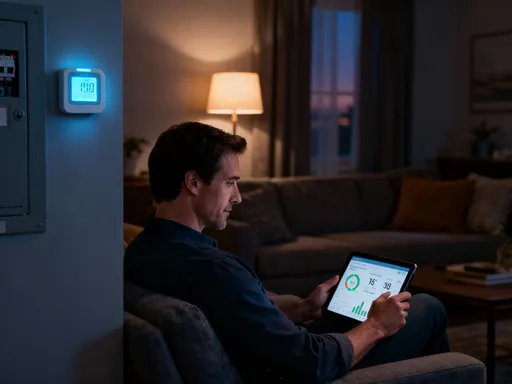
Now, instead of guessing, I get quiet confirmation. Every morning, I open the app on my way to work. If all zones are green, I know I can focus. No second-guessing. No mental load. It’s like having a trusted friend keeping an eye on the house for me. And when I’m in the middle of a big project or a client call, I don’t have to pause and wonder. I can stay present, because I know the system is watching.
I remember one Tuesday—just a regular day, but it stands out. I was presenting to a new client, sharing data on a big screen, and completely in the zone. My phone buzzed, but I didn’t panic. I glanced at it later—just a routine ‘all systems normal’ update from the detector app. That tiny message didn’t interrupt me; it grounded me. It said, ‘You’re safe. Keep going.’ That’s the real win: not avoiding disaster, but living without the low hum of anxiety that used to follow me everywhere.
It’s not magic. It’s design. These detectors aren’t flashy, but they’re thoughtful. They don’t demand attention unless there’s a reason. And that’s what makes them powerful. They don’t add stress—they remove it. And for someone juggling work, kids, and a home, that’s not a luxury. It’s a necessity.
Faster Decisions, Fewer Emergencies
So what happens when there *is* a real alert? That’s when these devices prove their worth. A few months after installation, I got a notification during a team workshop: ‘Moisture detected under kitchen sink.’ Not ‘possible issue’ or ‘check when convenient’—clear, specific, immediate. I pulled out my phone, opened the app, and saw the exact sensor that triggered. No guessing. No driving home to investigate. I knew right away it was the dishwasher connection again—same spot as before.
Because my system is linked to a smart water shutoff valve, I was able to close the main water supply from my phone with one tap. No tools. No stress. Just a simple action that stopped the leak in its tracks. Then I called a plumber, explained the issue with the exact location, and scheduled a repair for that afternoon. All of this happened in under 15 minutes—during a work break, without missing a meeting.
Compare that to my old reality: rushing home, panicking, cleaning up, then calling for help. This time, I prevented damage before it started. The floor stayed dry. The cabinets weren’t soaked. And my workday stayed intact. That’s the power of timely information. It doesn’t just warn you—it empowers you. You’re not reacting to a crisis; you’re managing a small issue before it becomes one.
And here’s the thing: it’s not about being a tech expert. It’s about having the right tools so you can act like one. I’m not a plumber. I don’t know how to fix pipes. But I *do* know how to read an alert and tap a button. That’s enough. These systems aren’t replacing skills—they’re supporting them. They give you the clarity to make smart choices, fast, even when you’re not at home.
Protecting More Than Just Floors—Safeguarding Family Routines
When we think about home damage, we often picture ruined floors or moldy walls. But the real cost of a leak isn’t always visible. It’s in the missed piano lesson because the living room is flooded. It’s in the takeout dinner because Mom is too busy mopping to cook. It’s in the bedtime routine that gets thrown off because the bathroom is out of commission.
Our home isn’t just a structure—it’s where life happens. And when something disrupts it, the ripple effect touches everyone. That’s why I care so much about preventing even small leaks. It’s not just about saving the baseboards; it’s about protecting the rhythm of our days.
One evening, the detector alerted me to a tiny drip near the laundry room. I shut off the water remotely, and the plumber came the next morning. Because we caught it early, there was no damage—just a quick repair. But the real win? My daughter’s birthday dinner went on as planned. No stress. No last-minute changes. Just cake, laughter, and a clean kitchen. That’s what peace of mind looks like in real life.
My kids don’t know about the sensors. They don’t see the app. But they feel the difference. Their routines stay steady. Their space stays safe. And I’m not constantly distracted by ‘what ifs.’ That’s the quiet gift of this technology: it lets our home be a place of comfort, not crisis. It keeps the little moments intact—homework at the table, movie nights on the couch, breakfast before school. Those are the things worth protecting.
Simple Setup, Real-Life Integration
I was nervous about setting them up. I’m not the most tech-savvy person in my family—my brother can build apps, but I still Google ‘how to restart my router.’ So I worried it would be complicated. But the truth? It was easier than installing a new coffee maker.
The kit came with two sensors, a base station, and clear instructions. I placed one under the kitchen sink, one behind the washing machine—my two biggest worry zones. The base station plugged into an outlet near my router. Then I downloaded the app, created an account, and followed the pairing steps. It took less than 20 minutes. I even tested them with a damp sponge to make sure they’d trigger. They did—within seconds, my phone buzzed with an alert.
What surprised me most was how quickly my husband started using it too. He’s not big on apps or notifications, but when he realized he could check the house from his phone while traveling, he was sold. Now, when he’s on business trips, he opens the app before bed—just to see that everything’s dry. It’s become part of our routine, like locking the doors or setting the alarm.
And that’s the beauty of it: it doesn’t take over your life. It fits into it. You don’t need to be a tech geek. You just need to care about your home and your peace. The system works quietly in the background, like a good neighbor you never have to bother. It’s there when you need it, silent when you don’t.
Why This Small Tech Feels Like a Big Win
Looking back, I realize I didn’t buy water leak detectors to prevent a disaster. I bought them to stop dreading one. I was tired of carrying that low-level fear every day—what if something happens while I’m not there? What if I forget something important? That weight was heavier than I realized.
Now, I don’t think about leaks unless the app tells me to. My mind is clearer. My days are smoother. I’m more present at work, more patient with my kids, more at ease in my own home. That’s not an exaggeration. It’s a real shift in how I live.
This isn’t about fancy tech or futuristic homes. It’s about practical care. It’s about using tools that help you protect what you love—your space, your time, your family’s peace. And sometimes, the most powerful technology isn’t the one that does the most, but the one that lets you do less worrying.
I still get busy. I still forget things. But I don’t lose sleep over them. Because now, I know my home is watching over itself. And that lets me focus on what really matters—living, not just managing. That’s the quiet revolution of smart safety: it doesn’t shout. It whispers, ‘You’re okay.’ And sometimes, that’s all you need to hear.